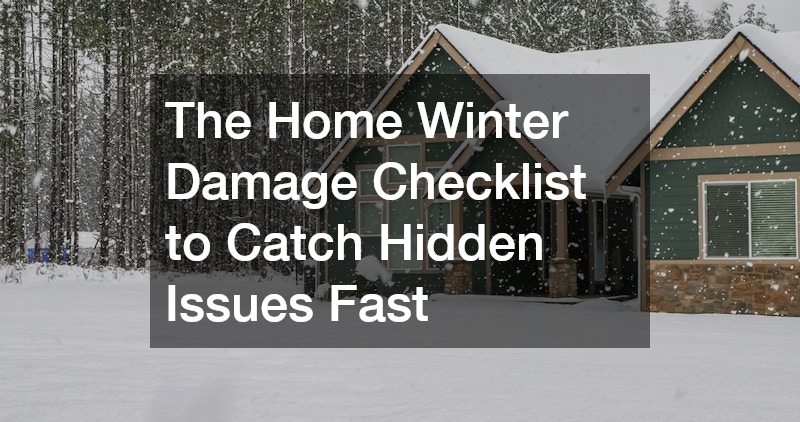
Winter can be harsh on homes, and often, the most serious damage isn’t immediately visible. Snow, ice, heavy winds, and fluctuating temperatures can create hidden issues that worsen over time if left unchecked. From cracked foundations to frozen pipes, the aftermath of winter can bring costly surprises in the spring. Homeowners who proactively inspect their property can save money, maintain safety, and prevent small problems from escalating into larger repairs.
This comprehensive checklist will guide you through critical areas of your home that are most likely to be affected by winter weather. Each section focuses on actionable steps and common issues that tend to go unnoticed. By systematically reviewing your property, you can identify hidden damage early and schedule necessary repairs promptly. Following this checklist ensures that your home remains safe, comfortable, and structurally sound as the seasons change.
Inspect Your Foundation for Cracks and Shifts
Winter weather can be brutal on a home’s foundation. Freeze-thaw cycles, water infiltration, and soil movement can lead to cracks, settling, or even structural shifts. Inspecting your foundation early is critical to prevent these issues from escalating into serious structural damage.
Look for visible cracks along the exterior and interior walls, paying particular attention to areas near doors, windows, and corners. Uneven floors, sticking doors, or gaps in trim can also indicate foundation movement. Prompt foundation repair can prevent water intrusion, mold growth, and long-term structural instability.
In addition to visual inspections, check for drainage issues around the foundation. Ice dams, snow piles, and melting snow can direct water toward the base of your home, increasing the risk of cracks and moisture damage. Addressing these concerns early can save significant repair costs later. Foundation problems are often subtle at first, so a thorough, careful assessment is essential for every homeowner after winter.
Examine Roofs for Leaks, Missing Shingles, and Ice Damage
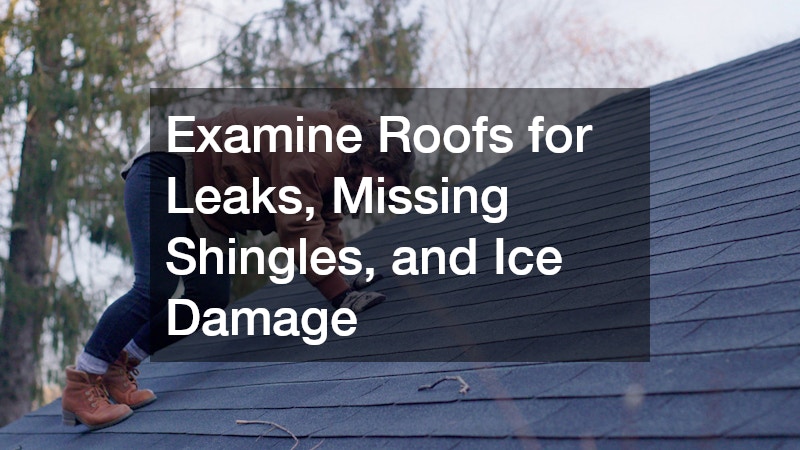
Winter storms can leave roofs vulnerable to hidden damage. Snow accumulation, ice dams, and high winds can dislodge shingles, create leaks, or stress structural elements. A careful inspection of your roof after winter is essential to protect your home from water damage and costly repairs.
Look for loose, cracked, or missing shingles, paying attention to areas around chimneys, vents, and skylights. Water stains on ceilings, sagging areas, or unusual attic moisture are also red flags. Prompt roof repairs prevent leaks from spreading, which could otherwise damage insulation, walls, and ceilings.
Professional inspections are often recommended, particularly if the winter was harsh. Technicians can identify subtle damage that is not visible from the ground, such as underlying water penetration or weakened underlayment. Early attention ensures your roof remains durable and functional, protecting your home and family from further winter-related damage.
Check Decks for Ice and Water Damage
Decks are often overlooked when inspecting homes after winter, yet ice, snow, and moisture can cause significant wear and hidden damage. Cracks in wood, loose boards, or weakened supports can become safety hazards if not addressed promptly.
Look for warping, splintering, or areas where water has pooled. Even small cracks can worsen over time, especially if moisture has penetrated the wood. Scheduling deck repair early in the season preserves both the appearance and structural integrity of your outdoor spaces.
Metal fasteners, screws, and nails can also corrode due to prolonged exposure to snow and moisture. Check the stability of railings and steps, as weakened components may pose risks to occupants. Regular inspections after winter prevent accidents, reduce repair costs, and extend the life of your deck.
Inspect Doors and Garage Openers for Smooth Operation

Winter can affect the performance of doors and mechanical systems in your home, particularly garage doors. Cold temperatures can stiffen components, cause misalignment, or affect the operation of openers. Careful inspection ensures smooth functioning and safety for household members.
Check for gaps, warping, or damage around door frames. Evaluate the performance of your garage opener, making sure it opens and closes fully without hesitation. Local garage door opener repairs may be necessary if the mechanism shows signs of strain or malfunction due to winter conditions.
Lubrication and minor adjustments often prevent larger issues, such as motor failure or track misalignment. Prompt attention to these systems ensures your home remains secure and accessible. Addressing potential problems early avoids inconvenient breakdowns and ensures that doors operate reliably throughout the year.
Evaluate Plumbing and Heating Systems
Harsh winter conditions can put significant strain on plumbing and heating systems. Frozen pipes, leaks, and furnace inefficiencies often become apparent after the cold season. Evaluating these systems promptly prevents water damage and ensures your home remains warm and functional.
Inspect visible pipes for leaks, cracks, or signs of corrosion. Any disruption in water flow or reduced water pressure should be addressed immediately by local plumbers. It’s also a good idea to check faucets, valves, and exposed joints for early signs of wear, as minor issues can quickly escalate if ignored. Regular maintenance and timely inspections help prevent frozen or burst pipes during lingering cold spells. Similarly, check your heating system for irregular performance, unusual noises, or inconsistent temperatures. Heating repairs may be necessary to restore efficiency and prevent failures during ongoing cold weather.
Regular maintenance of plumbing and heating systems reduces the risk of costly damage and ensures the safety and comfort of your household. Seasonal inspections help identify hidden problems before they escalate, keeping your home running smoothly.
Address Trees, Branches, and Yard Damage
Winter storms often damage trees, branches, and landscaping, which can pose risks to your home if left unchecked. Broken limbs, leaning trees, or weakened roots can threaten roofs, fences, and power lines. A thorough yard inspection helps prevent accidents and property damage. Debris from fallen branches can also block pathways or damage vehicles, making timely cleanup essential.
Look for trees with cracked trunks or large branches that may have weakened under snow load. Tree cutting may be required to remove hazards and protect the home. Inspect areas where trees are close to structures or fences to prevent future impact or interference. Hiring professional arborists can ensure that removal or trimming is done safely and that healthy trees are preserved.
Addressing these risks early maintains safety and prevents additional repair costs. Proper maintenance also promotes healthy regrowth and ensures that your outdoor environment is secure after harsh winter conditions. Regular inspections after storms help homeowners plan preventative care for the coming seasons and reduce the likelihood of emergency tree-related repairs.
Inspect Windows for Cracks, Drafts, and Leaks
Winter weather can reveal or worsen issues with windows, including cracks, leaks, and drafts. Moisture infiltration around window frames can lead to rot, mold, or energy loss, affecting both comfort and efficiency. Inspecting windows post-winter ensures your home stays safe and energy-efficient.
Look for gaps, broken seals, or visible cracks in glass and frames. Signs of condensation between panes may indicate a failed seal, requiring professional window replacement. Checking caulking and weatherstripping helps prevent drafts and moisture intrusion.
Prompt repairs or replacement protect the home from further damage, improve energy efficiency, and maintain indoor comfort. Addressing these issues after winter ensures that windows function properly and prevent costly repairs down the line.
Inspect Fences and Gates
Winter weather can take a serious toll on fences, posts, and gates, especially when heavy snow, ice, or strong winds exert pressure on these structures. Even well-built fencing can shift, warp, or sustain cracks during prolonged exposure to harsh winter conditions. Damaged fencing not only affects privacy and security but can also impact the overall aesthetics and curb appeal of your property, making thorough inspections essential in the post-winter season.
When evaluating your fence, look closely for leaning posts, broken or splintered panels, and loose fasteners. Small issues, if left unaddressed, can worsen over time, potentially leading to more extensive and expensive repairs. Fence companies can provide professional repairs or full replacements when damage is significant, ensuring that your fencing remains safe and visually appealing. Timely attention prevents further deterioration and helps maintain the structural integrity of your property’s boundaries.
Regular inspection and repair of fences also serve to protect landscaping and prevent wildlife or unwanted animals from entering your yard, keeping your home safe for both family members and pets. Checking gates for proper alignment and smooth operation is equally important, as frozen or warped gates can become difficult to use or fail entirely. By maintaining your fencing after winter, you not only preserve the security and appearance of your property but also ensure that it remains fully functional and prepared for the seasons ahead.
Check for Animal Intrusions
Winter can drive animals into unexpected areas of your home, including attics, basements, and crawlspaces. These intrusions can cause damage to insulation, wiring, and structural components if not addressed promptly. Animal removal is often necessary to prevent ongoing issues. Unchecked animal activity can also lead to unpleasant odors and potential health hazards from droppings or parasites.
Signs of animal activity include droppings, chewed wiring, scratches, or nests in hidden areas. Early detection limits the extent of damage and helps protect your home’s systems. Professional animal removal services can safely and efficiently remove pests and prevent re-entry. Many removal experts also provide preventive measures, such as sealing entry points, to keep animals from returning in the future.
Taking proactive steps to inspect for and remove animals reduces health risks, prevents further property damage, and ensures your home is ready for the spring season. Regular post-winter checks combined with preventive measures help maintain a safe, comfortable, and damage-free home environment.
Conduct a Comprehensive Post-Winter Inspection

After reviewing each area individually, it’s essential to conduct a full home inspection to catch any lingering or hidden issues that might have been overlooked during preliminary checks. Take the time to document all findings carefully, noting the severity of each problem, and prioritize repairs based on safety, structural impact, and potential for further damage. Scheduling professional services for areas that require specialized expertise ensures that repairs are completed correctly and efficiently, reducing the risk of recurring problems.
Foundation repair, roof repairs, deck repair, and window replacement may be necessary depending on the extent of winter damage. Incorporating these inspections with evaluations of plumbing, heating repairs, tree cutting, fence companies, and animal removal ensures that every aspect of your home—both inside and out—is thoroughly assessed. This comprehensive approach prevents small issues from being overlooked, which could lead to larger, more costly repairs down the line.
A systematic post-winter inspection not only identifies hidden problems before they escalate but also allows homeowners to create a clear, actionable repair plan. By addressing damage promptly, you protect the value, safety, and comfort of your property while minimizing stress and unexpected expenses. Proactive maintenance after winter sets the stage for a well-functioning home throughout the year, helping prevent emergencies and ensuring your home remains secure, efficient, and resilient against future seasonal challenges.
Plan Repairs and Maintenance Strategically
Once damage is identified, prioritize repairs based on urgency and safety impact. Foundation repair, roof repairs, or heating repairs may be critical to maintaining structural integrity and household comfort. Less urgent issues, like deck repair or fence maintenance, can be scheduled to prevent further deterioration.
Local garage door opener repairs, window replacement, and plumbing services can be coordinated efficiently to reduce disruption. Consulting professionals ensures repairs are done correctly and comply with safety standards. Addressing issues systematically allows homeowners to manage costs while restoring their property fully.
Preventive measures and timely repairs after winter preserve your home’s value, ensure safety, and improve longevity. Following a strategic repair plan turns a potentially stressful post-winter maintenance period into a manageable, organized process.
Winter leaves its mark on every home, often in ways that aren’t immediately visible. Following a detailed checklist helps homeowners identify hidden damage and schedule timely repairs, from foundation repair and roof repairs to deck repair and window replacement. Plumbing, heating repairs, and mechanical systems also require careful inspection to prevent long-term damage.
Tree cutting, fence companies, and animal removal services may be needed to address outdoor or wildlife-related issues. Local garage door opener repairs and other minor systems should not be overlooked. By tackling repairs systematically, homeowners can prevent minor issues from escalating, maintain safety, and protect their investment.
A proactive post-winter inspection ensures that your home remains secure, functional, and comfortable. Addressing hidden winter damage quickly reduces stress, saves money, and preserves the integrity and value of your property throughout the year.