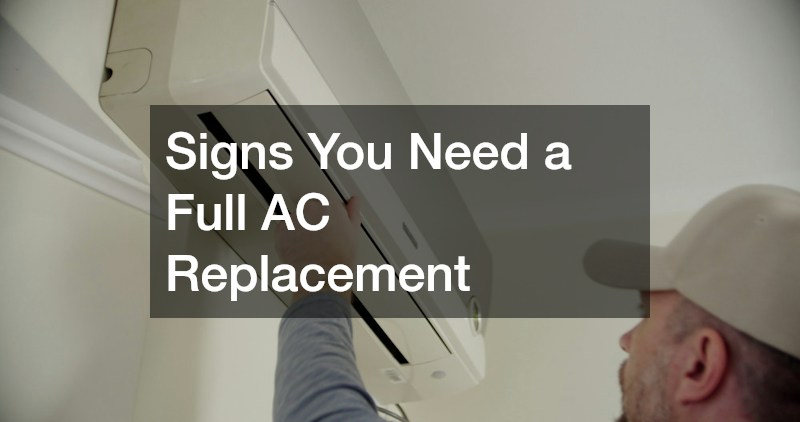
Summer heat places incredible demand on residential cooling systems, often uncovering hidden mechanical weaknesses in aging equipment. When your home cooling system begins to struggle against high afternoon temperatures, deciding between repairing individual components or investing in a modern setup can feel overwhelming. Knowing exactly when to commit to a full AC replacement ensures your indoor environment remains comfortable, healthy, and energy efficient year-round without constant mechanical disruptions or costly last-minute service visits.
System Age and Declining Operational Efficiency
The Unit Has Crossed the Decade Mark
Most central air conditioning systems maintain an expected operational lifespan of roughly ten to fifteen years with regular professional maintenance. Once a cooling unit passes the ten-year threshold, major internal components undergo natural physical wear from continuous operational cycles.
Motors run hotter, internal electrical connections degrade, and cooling efficiency drops drastically compared to original performance standards.
Monthly Energy Bills Keep Escalating
An unexpected, progressive rise in summer utility statements often serves as a primary indicator of declining internal mechanical efficiency. Aging air conditioners must execute longer, harder operating cycles to produce the exact same cooling output that modern, high-efficiency equipment achieves effortlessly. This unnecessary extra workload consumes excessive electricity, silently driving up household operational expenditures month after month.
The Equipment Uses Phase-Out Refrigerants
Older central air conditioning equipment frequently relies on chemical refrigerants like R-22 (commonly known as Freon), which regulatory authorities have systematically phased out due to environmental protection standards. Sourcing recycled or remaining R-22 stock for standard leak repairs has become exceptionally difficult and expensive.
Escalating Repair Costs and Unreliability
Frequency of Service Calls Is Rising
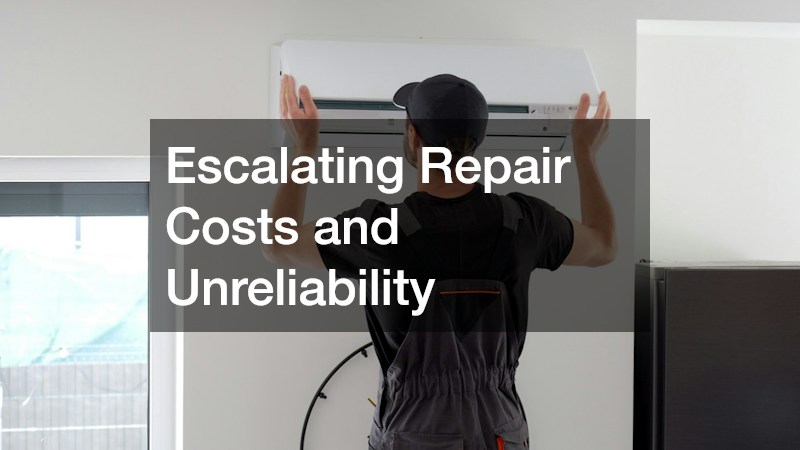
Scheduling a qualified technician once every year or two for basic preventative maintenance is standard home maintenance practice. However, needing multiple emergency repair calls during a single summer cooling season signals systemic operational failure across internal mechanisms.
Repair Quotes Exceed System Value
A helpful industry formula involves multiplying the total cost of a repair estimate by the current age of the cooling equipment in years. When the resulting figure exceeds the baseline price of new equipment, or when a single major repair quote exceeds fifty percent of a modern unit, purchasing new equipment makes far greater financial sense. Selecting a complete AC replacement grants comprehensive manufacturer warranty protection, predictable monthly performance, and lasting financial relief from surprise contractor bills.
Critical Parts Are Failing Completely
Severe failures involving major primary components like the compressor, condenser coils, or blower motor carry significant labor and part expenses. Replacing a single major component on a heavily worn system leaves all remaining original parts vulnerable to sudden structural or electrical failure shortly after.
Deteriorating Indoor Comfort and Air Quality
Temperatures Are Inconsistent Throughout the Home
Uneven cooling distribution across different rooms points to a central system struggling with airflow pressure, mechanical output, or capacity limits. Experiencing persistent hot spots in upstairs bedrooms while lower levels remain uncomfortably cold indicates that internal blowers and coils can no longer balance air distribution properly. Upgrading to a properly sized, modern cooling unit restores uniform temperature control and balanced airflow across every square foot of your living space.
High Indoor Humidity Levels Persist
A properly functioning central air conditioning unit acts as a natural dehumidifier during regular operation, extracting ambient moisture as air passes over cool evaporator coils. If indoor air feels muggy, sticky, or uncomfortably heavy while the system blower runs continuously, the equipment has lost its moisture-removal capabilities. Excessive interior humidity damages wood furniture, degrades interior paint, and creates an environment where household air quality drops significantly.
Strange Sounds and Odors Are Present
Unusual loud operational noises like grinding metal, high-pitched screeching, or repetitive banging signal loose hardware, failed bearings, or severe compressor failure. Burning odors suggest dangerous electrical overheating within internal wiring circuits, while persistent musty smells indicate widespread organic growth inside the drain pan or cooling coils. Promptly addressing these severe physical warning signs protects overall home safety and restores clean, fresh airflow throughout your residential spaces.
Recognizing these key warning signs allows homeowners to address cooling challenges proactively before facing a complete system shutdown during severe summer heat waves. From rising energy costs and frequent emergency technician visits to persistent comfort issues and uneven temperatures, aging cooling equipment displays clear signals when replacement becomes necessary. Investing in a modern AC replacement significantly reduces overall energy consumption, maintains consistent humidity levels, and delivers trustworthy peace of mind season after season. Consult with a qualified local HVAC professional to evaluate your existing setup and select the ideal system upgrade for your home.